
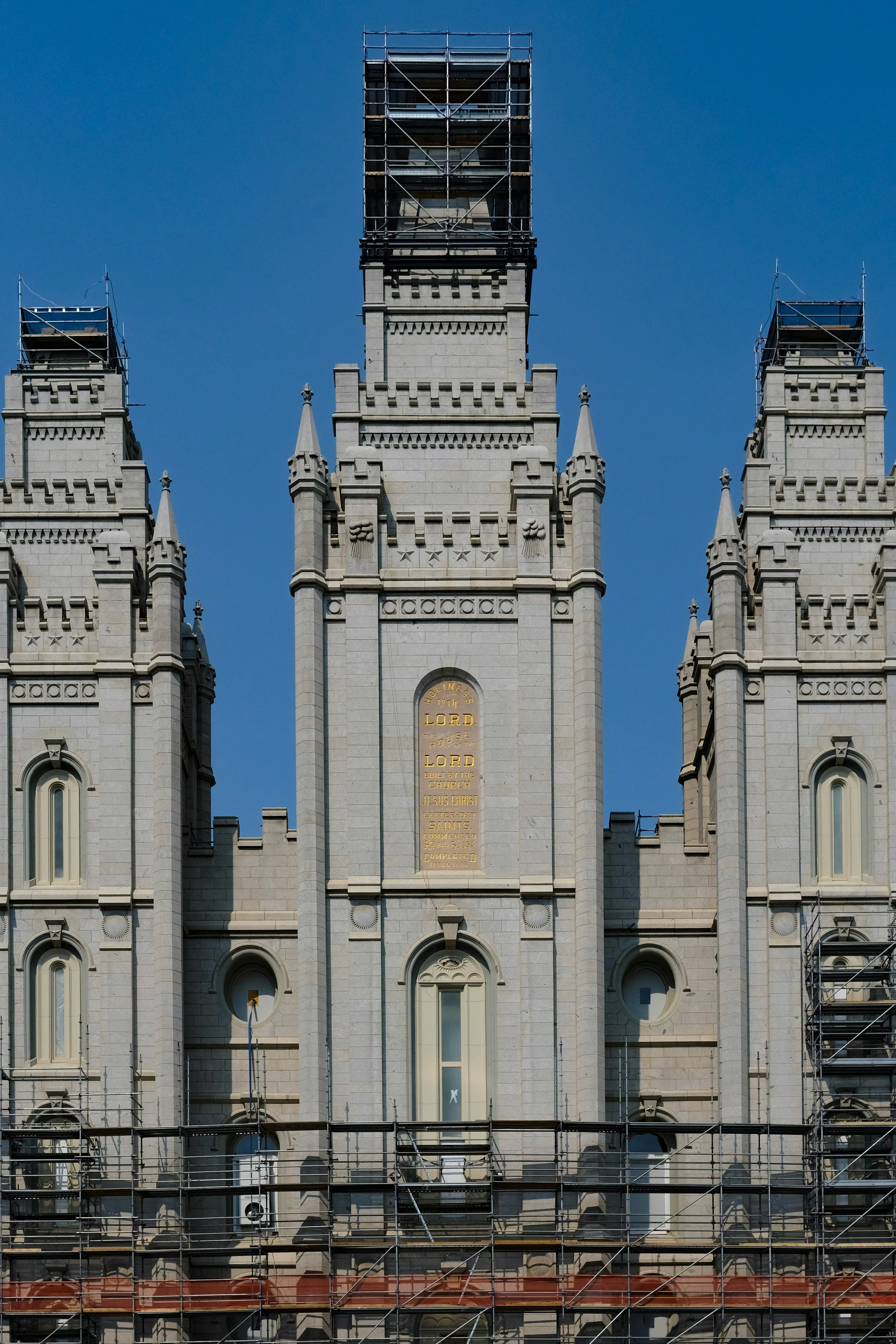
TL;DR: According to Ephesians 2:19-22, the church is not a building or a club or a meeting. It’s sa people: a family of fellow citizens, built on the foundation of Scripture with Jesus as the cornerstone. It is a rising temple that makes God's presence visible to the world, and a joined-up home where the Holy Spirit lives among us. It is also the biggest and most important thing you can give your life to.
Look at almost any gravestone and you will see the same thing: a name, two dates, and a small dash in between. That dash is your whole life. It is tiny, it is precious, and it is the only one you get.
So what are you going to spend it on? Most of us feel the pull in a dozen directions at once: work, partner, friends, family, retirement, the next thing on the list. We have too many options and, strangely, not enough. And underneath it all there is often a quiet tiredness, because the things that matter most seem impossible, and the things that are possible do not seem to matter enough.
Paul, writing to the Christians in Ephesus, makes a claim that sounds almost absurd at first. He says there is one thing worth giving your life to above everything else, and he calls it the church. Not the church as many of us picture it, a building with a spire or a hall on a Sunday morning, but something much bigger and much warmer. In Ephesians 2:19-22 he gives us two nouns and two verbs that explain what the church really is: identity and foundation, rise and built.
At our church in Manchester, we have been working through this passage together, and it has changed how we think about why we gather at all.
Identity: Who the Church Is
Paul begins with a reminder of what Jesus has done. In the verses just before this, he explains that Christ's death on the cross tore down the wall between us and God. We were once on the outside, foreigners and strangers. If you want the full story of how that wall came down, this article on how to find peace with God covers the previous part of Paul's argument.
Verse 19 then gives us the result: "you are no longer foreigners and strangers, but fellow citizens with God's people and also members of his household." Notice that every word here is plural. Paul is not describing individual Christians who each happen to have a private connection to God. He is describing a group. If Paul were writing in Manchester, he might say "you lot are fellow citizens." Together we are a country, and together we are a family.
You Are Who God Says You Are
One of the perks of being God is that he gets to name you. Your identity as a Christian is not something you have to earn, negotiate or prove. It is a gift handed to you by the one with the authority to give it. You are a fellow citizen. You are family.
That has real consequences, because what we believe about our identity shapes how we live. It is surprisingly easy to accept the label while quietly living as though it were not true. We can think of ourselves as second-class citizens, hoping that one day we will graduate to first class. We can treat ourselves as guests or visitors in God's house, polite and slightly shy, rather than family who are known and loved. If that is how you relate to God, it is worth asking where that picture came from, because it did not come from him.
How We Treat Our Spiritual Family
The same question applies to how we treat each other. Think about what you would do for your biological brother or sister. You would help them move, lend them money, babysit their children, turn up when they are struggling. Now ask honestly: are there things you would do for your blood relatives that you would not do for your spiritual ones? If so, we may have given each other a different name from the one God has given us.
Real family is not complicated, but it is generous, and generosity is hard. A healthy family looks out for needs and is eager to find them, rather than waiting to be asked. In practice that looks wonderfully ordinary: watching the children of a busy couple, arranging diaries so a group can read the Bible and pray together, turning up with a van on moving day, being generous with money (which is different from simply giving it), and writing a reference letter for someone who needs one. None of these things will make headlines. All of them are what it looks like to be a family.
If you have ever felt that you do not quite belong anywhere, this piece on how your longing to belong can be fulfilled explores why being adopted into God's family is the answer to one of the deepest hungers we have.
Foundation: What the Church Is Built On
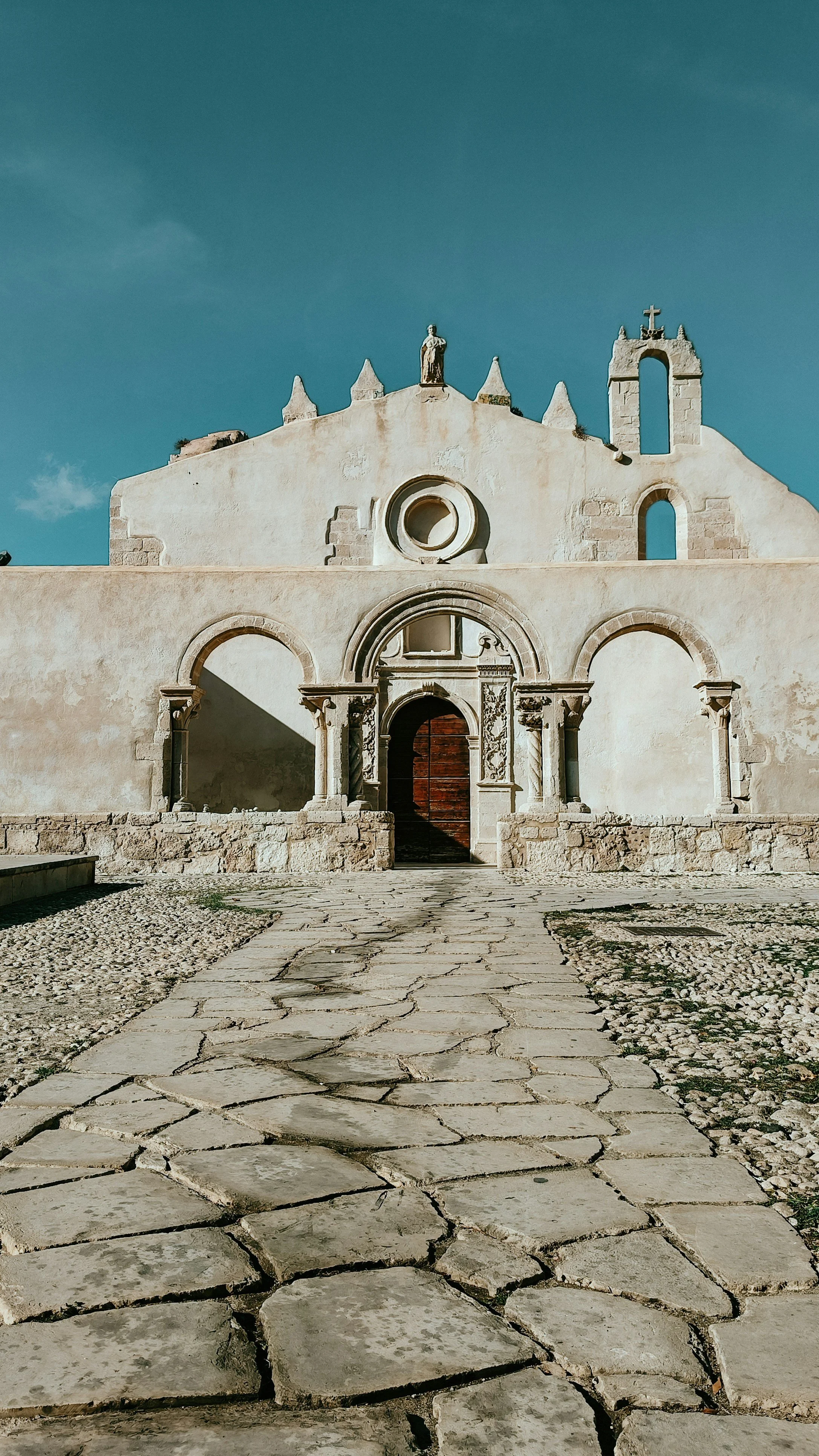
Where does that identity come from? Paul answers in verse 20: the household of God is "built on the foundation of the apostles and prophets, with Christ Jesus himself as the chief cornerstone."
The Apostles and the Prophets
The prophets are the Old Testament and the apostles are the New Testament. Together they are the Bible. This is not one opinion among many about what Christians might like to think. It is the foundation that everything else rests on.
This matters because of what happens when you immerse yourself in Scripture. Your spiritual imagination begins to change. The Bible tells the story of God and the story of our world, and in it you discover that your own small story fits inside the grand one. You find wisdom for living well. You find the knowledge of God himself. And on every page you see the story of Jesus unfolding, which means you also discover your own place and role in it.
The way to press into God, then, is to press into his Word. When we do, his voice gets stronger and we hear more clearly who we are. This is exactly the kind of engagement explored in The Lift Model of the Heart, which explains why we must bring our hearts, not just our minds, to Scripture if we want to be changed by it.
Jesus, the Cornerstone
The most important part of any foundation is the cornerstone. It is the first stone laid, and every other stone is set in relation to it. Remove it and the structure does not merely look worse. It falls apart. You can have every brick in exactly the right place, and without the cornerstone all you have is a heap of bricks.
Jesus is that cornerstone. Without him, the structure of our identity does not make sense. And with him, everything holds together.
What Happens Without a Foundation
An identity without a foundation is fragile, and fragility has recognisable symptoms. The first is external dependence: you only feel good when other people say you are good, so you are constantly assessing how others are assessing you, and you need a steady supply of praise to keep going. The second is defensiveness: even mild criticism feels like a personal attack, which means you will not look for feedback, take risks or ask for forgiveness unless you are forced to. The third is a narrow story about yourself. If your story is "I don't fail" or "I'm the strong one," any experience that does not fit it is too much to bear, and you either lash out or collapse into "I'm hopeless." The fourth is people-pleasing: what you do is shaped by the desire to avoid rejection, and you need everyone else to be happy before you can be.
If any of those feel familiar, you are in good company. The further we drift from our foundation, the more fragile we become. And a fragile identity cannot be much use to anyone else, because all its energy goes into holding itself together. Part of the reason the endless scroll of social media holds such power over us is that it feeds these exact needs.
The Bible offers something sturdier. Scripture is described as a light for our path. Without it, we shuffle forward in the dark with good intentions and no guarantee we are even facing the right way. With it, we are given a path. And Jesus goes further than pointing the way. He says he is the way.
Rise: The Church as a Holy Temple
With identity and foundation in place, Paul turns to the first verb. In verse 21 he says that in Jesus "the whole building is joined together and rises to become a holy temple in the Lord."
Rises. This is movement. Something small becomes something large, like a seed becoming a tree. And what it grows into is a temple.
What a Temple Is
In the ancient world, a temple was the symbol of God's presence. It said to everyone who saw it: God is here, and this is where to find him. It was a place of worship. And it was a place where heaven and earth met, which is why the art and furniture of the Old Testament temple blended images of both.
Then Paul says something astonishing. The temple he is talking about is not a building. It is a people. Even a small child can grasp this: the church is not a building, it is the people. When most of us say "church," we mean a place. When Paul says "church," he means us.
That means we, together, are the symbol of God's presence in our city. His Spirit is here, whether we feel it or not. We are a space of worship. We are where heaven and earth meet. And that makes the church something far more than a hobby, a volunteer organisation or a Sunday club.
What a Rising Temple Looks Like
This rising is not passive. It is something we actively do, and Paul's picture suggests several things about how.
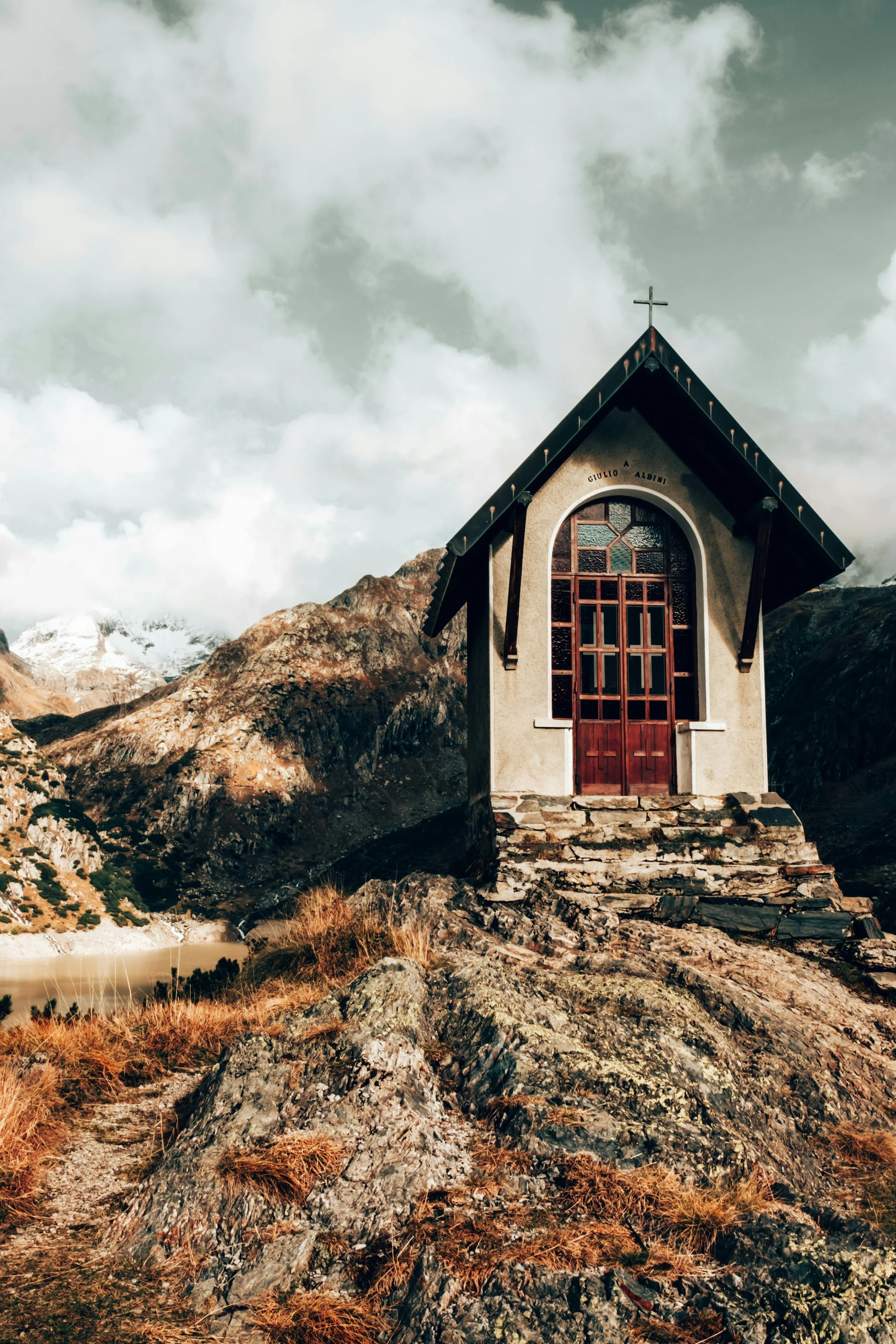
A rising temple is visible. The temple in Jerusalem stood on a hill with a golden roof that glinted in the sun, so that people could see it from a long way off. It was meant to draw people of every background towards it. A subterranean temple, hidden underground, would be a faith so private that nobody ever sees it. There is a difference between personal and hidden. If your faith is truly personal, it will look like a rising temple.
A rising temple follows the blueprints. A building rises high because it keeps to the architectural plans, and a church rises when it keeps to how God has called us to live. It does not invent a strange balcony here and a flying buttress there.
And a rising temple is generous. It works for the good of others and for justice. It meets people where they are so they can be lifted beyond what they could manage alone. It is a place of challenge as well as comfort. We can rise for one reason: because Jesus is risen, and he is alive and active in the building.
If you want to think about what this looks like in practice, this article on what it means to join God's mission is a good place to start.
Built: The Church as a Joined-Up Home
Paul's second verb is "built." In verse 22 he says that "in him you too are being built together to become a dwelling in which God lives by his Spirit." The grand skyscraper of verse 21 becomes, in verse 22, something much cosier: a dwelling, or as we would say, a home.
Rising makes the church bigger: more people, more serving, more generosity. Being built makes it smaller and warmer: a snug, a nest. God works in both directions at once. A skyscraper that is not also a nest ends up flimsy, and a nest that never rises ends up selfish. We are not only gospel-formed people on mission. We are a gospel-formed family on mission.
A Derelict Building Made into a Home
Here is one of the most striking pictures in the whole passage. Think about what the Holy Spirit found when he found you. Not a tidy house, but a derelict building, collapsed in on itself, condemned. Certainly not a fit home for a person, let alone for God. And yet the Father had a plan for this heap of bricks. Jesus bought the property. The Holy Spirit moved in and began making it a home, joining the bricks together one by one. And God's plan does not stop with you. He intends to buy up the whole abandoned neighbourhood.
There is real freedom in this. If you are a work in progress, that is exactly what you were always meant to be. Who gave you the burden of having it all together? It did not come from Jesus. If you have been carrying that burden, and the shame that comes with it, you are allowed to put it down. God has chosen to live in you as you are. You do not have to fill every silence with your own words, or know everything, or be right all the time. It is a good thing when someone corrects you. That is simply what it means to be joined to other people.
Why Small Groups Matter
This is also why smaller communities within a church matter so much. It is hard to experience being built as a home in a room of a hundred people. Small groups let a church grow bigger and smaller at the same time: more people on mission, and more people truly known.
The Church Exists for Those Who Are Not Yet in It
William Temple, who served as Bishop of Manchester in the 1920s, made an observation about the church that is worth remembering. He said that the church is the one society that exists chiefly for the benefit of those who are not its members.
That is true, and it is what holds the two verbs together. If a church is only a rising temple, it becomes activist: busy and driven, but missing the warm, kind centre that makes mission believable. If it is only a joined-up home, it becomes inward and selfish, comfortable among itself but with no generosity towards outsiders. Only when it is both can it be strong and stable, growing and caring, an institution without institutionalism.
That is what makes the church supernatural rather than merely organisational. It is heaven meeting earth. It is not a club and you are not volunteers. It is nothing less than the biggest and most important thing you could ever work towards, and the biggest and most important thing at work in you.
How It All Holds Together
None of this is possible without Jesus. Without him, the wall between us and God stays up. Without the cross, there is no reconciliation, and humanity and God remain separate. His body was broken and his blood was poured out to bring us home.
But Jesus did not stay dead. His resurrection is why the Holy Spirit was sent, and the Spirit is why God can take up residence in us at all. The temple rises because Jesus has risen. The home is built because he has made us his home.
So if you are a fellow citizen and a member of God's family, do not overlook the wonder of it. Listen to his Word, which tells you who you are and lights the path you are meant to walk. As you do, you will rise, and you will be built together into a home that the Holy Spirit is creating for us and for the people around us.
If you would like to see what that looks like in practice, you are very welcome to join us at our Manchester church. We meet at Oswald Road Primary School, M21 9DW, every Sunday at 10am.
FAQ
What is the church according to the Bible?
In Ephesians 2:19-22, Paul describes the church as God's household and a holy temple: a people rather than a building. They are fellow citizens and family members, built on the foundation of the apostles and prophets (the Bible) with Jesus as the cornerstone. Together they are the place where God's Spirit lives and where heaven and earth meet.
Is the church a building or a people?
The Bible consistently describes the church as people. Paul uses the imagery of a temple, but he applies it to the community of believers, not to a physical structure. A building can host the church when it gathers, but the church itself is the people in whom God's Spirit lives. When Paul says "church," he means us.
What does it mean that the church is the household of God?
It means the church is a family, not just an organisation. Everyone who trusts in Jesus has been adopted into God's household, which means we are related to each other as brothers and sisters. In practice, that calls for the kind of care and generosity that a healthy family shows: noticing needs, meeting them, and being eager to help.
Why is Jesus called the cornerstone of the church?
A cornerstone is the foundational stone that holds a structure together, and every other stone is positioned in relation to it. Calling Jesus the cornerstone means that the church's identity, purpose and unity all depend on him. Without him, you may still have all the right pieces, but you do not have a building that stands.
What does it mean that the church is a temple?
In the Old Testament, the temple was where God's presence dwelt among his people and where heaven and earth met. Paul says that through the Holy Spirit, God's people together are now that temple. It means the church is a visible sign of God's presence in the world, a place of worship, and a community that is meant to rise and be seen rather than stay hidden.
Why does the church matter?
According to Ephesians 2, the church is where God is at work building a people for himself, and it is the main way his love becomes visible in the world. It is also where individual Christians are formed, corrected, supported and sent. It is not an optional extra for particularly religious people. It is the thing Jesus is building.
Do I need to belong to a church to be a Christian?
The New Testament assumes that Christians belong to a community. Paul's picture of fellow citizens, family members and bricks in a building has no room for a believer who stands alone. That does not mean the church is perfect, because every church is made of work-in-progress people. But belonging to one is how we actually live out our identity as family.
What should I expect if I visit a church for the first time?
Expect ordinary people who are still learning and a warm welcome rather than a performance. If you would like to know more before you come, this guide on what to expect when you visit on a Sunday walks through it step by step. You are also very welcome to visit our church in Manchester any Sunday morning at 10am at Oswald Road Primary School, M21 9DW.