

How do you have hope when you feel powerless? You have hope by recognising that God is still in control, even when life feels chaotic, painful, and beyond your ability to fix. Daniel 11-12 reminds us that human power is temporary, God’s kingdom will outlast every empire, and Jesus is the Servant King who fights for His people when they cannot fight for themselves.
How Do I Have Hope When I Feel Powerless?
Feeling powerless is one of the most common human experiences. Sometimes it comes through world events that seem frightening and uncontrollable. Sometimes it comes through personal suffering, grief, disappointment, loneliness, or exhaustion. You may feel powerless because of a diagnosis, a broken relationship, financial pressure, anxiety about the future, or simply the crushing feeling that life is too big for you to carry.
The Bible does not pretend these feelings are imaginary. In Daniel 11.14-12.3, God speaks directly into a world full of conflict, uncertainty, and fear. Daniel lived during the rise and fall of empires. He knew what it meant to live under rulers more powerful than himself. Yet this passage offers profound hope to people who feel small and overwhelmed.
The central message of Daniel 11-12 is this: earthly kingdoms rise and fall, but God remains on the throne. Even when His people feel powerless, they are never abandoned.
If you are searching for hope today, this passage gives more than motivational advice. It gives a vision of reality that is strong enough to sustain people through suffering, weakness, and even death itself.
Life Often Feels Like a War
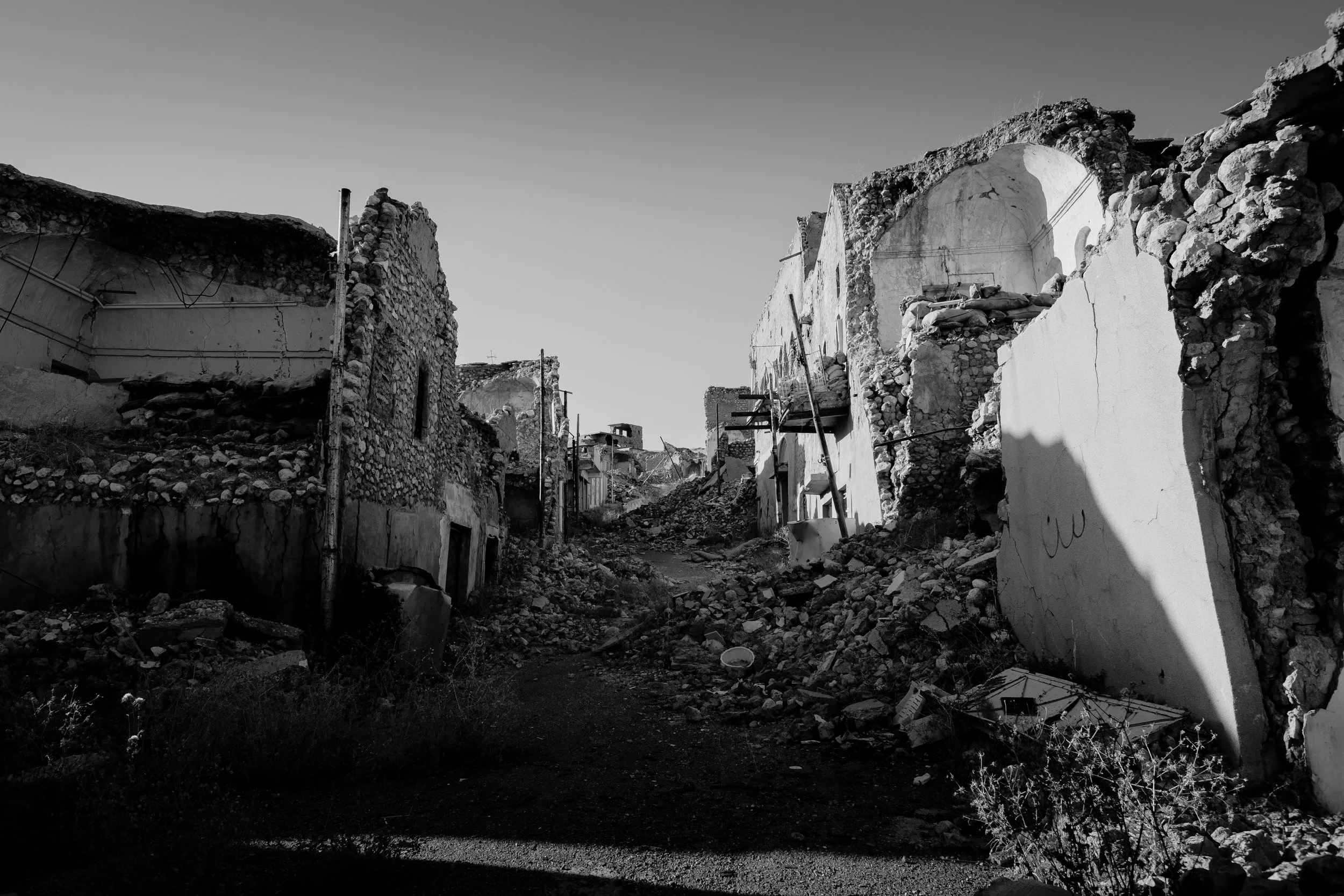
Daniel 11 describes ongoing conflict between kingdoms and rulers. Historically, these verses point to real events and real empires. But the passage is also showing something deeper about the human condition. Life in a broken world feels like continual conflict.
Not every battle is military. Many of the battles we face are internal, relational, emotional, or spiritual.
There is conflict in families. Conflict in workplaces. Conflict in our hearts. There is conflict between what we long for and what we actually experience.
The book of Daniel repeatedly shows God’s people living under pressure from powerful systems around them. That reality still feels familiar today.
Modern life often promises control and comfort, yet many people feel more anxious than ever. We are surrounded by endless news, constant comparison, economic uncertainty, and pressure to build an impressive life. We are told to create our own identity, secure our own future, and solve our own problems. But eventually we discover how fragile we really are.
You can see this in the way people chase power, success, approval, money, influence, or comfort. We hope these things will make us safe. Yet they never fully deliver.
The Bible calls us to recognise something important: the world is not neutral. There are forces at work that pull us away from God and away from flourishing. Daniel describes these realities using the imagery of kingdoms and empires. Those empires are not just political systems. They also represent humanity organised apart from God.
That is why the passage still speaks so clearly today.
Many people feel exhausted because they are trying to carry burdens they were never designed to carry alone.
Why Feeling Powerless Can Actually Lead to Hope
One of the surprising themes in the Bible is that weakness can become the place where we finally learn to trust God.
Most of us would prefer self-sufficiency. We want enough money, security, health, and emotional stability that we never feel dependent on anyone else. But suffering has a way of exposing how little control we actually possess.
Daniel and God’s people lived under oppressive rulers with very little earthly power. Yet the book consistently points beyond human strength to God’s sovereignty.
That matters because hope cannot rest on your own ability to control life. If your hope depends entirely on your circumstances improving, your strength lasting, or your plans succeeding, your hope will constantly rise and fall.
Christian hope works differently.
Christian hope is rooted in the character of God rather than the stability of circumstances.
That means you can still have hope during grief. You can still have hope when the future is unclear. You can still have hope when you cannot fix what is broken.
This is one reason prayer matters so deeply. Prayer is not pretending to be spiritually impressive. Prayer is admitting dependence.
Daniel reminds us that life is bigger than us. That should not drive us into despair. It should drive us toward God.
Jesus taught His followers to pray for daily bread, not lifetime guarantees. That kind of prayer develops trust. It teaches us to depend on God day by day instead of pretending we can secure the future ourselves.
If you struggle with prayer because life feels overwhelming, you may find this helpful resource on prayer from our church in Manchester. It explores how prayer helps ordinary people trust God in everyday life.
The Danger of Trying to Become Our Own King
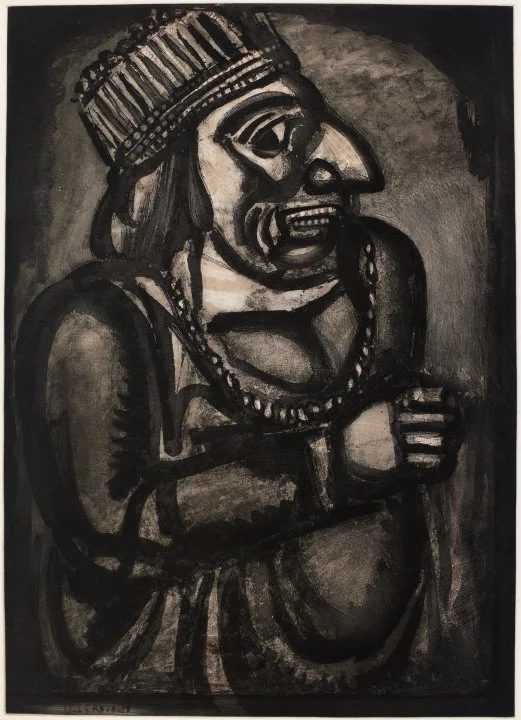
Georges Rouault: We believe ourselves kings
Daniel 11 also describes a ruler who exalts himself and lives as though he answers to nobody. The passage warns about the human tendency to worship power.
That tendency exists in all of us.
We often imagine that more power would solve our problems. If only we had more money, more influence, more control, more success, more freedom, then everything would finally be alright.
But the Bible repeatedly exposes the danger of self-rule.
Modern culture constantly tells us to build our lives around ourselves. We are encouraged to pursue personal fulfilment above everything else. We are told to “do whatever makes you happy”. Yet underneath that mindset is the assumption that we should sit at the centre of reality.
Daniel exposes how destructive that becomes.
Human beings make terrible gods.
We were never designed to carry the weight of ultimate authority over our own lives. When we try, we become anxious, selfish, exhausted, proud, or despairing.
This is closely connected to what the Bible calls sin. Sin is not merely breaking arbitrary religious rules. At its core, sin is humanity trying to live independently from God.
If you want to explore that more deeply, this article on what sin is gives a helpful explanation of how the Bible understands human brokenness and why it affects every part of life.
The more we try to save ourselves through power, achievement, or control, the more disappointed we become.
Paradoxically, hope begins when we stop pretending we are the king.
Jesus Is the King Who Became a Servant
The heart of Christianity is not that weak people must somehow become stronger. The heart of Christianity is that God came near to weak people in the person of Jesus Christ.
Daniel points forward to a greater King. But unlike the rulers of earthly empires, Jesus does not use power selfishly.
Jesus is the Servant King.
The One with ultimate authority entered the world in humility. He experienced suffering, rejection, grief, injustice, and death. He willingly took on human weakness.
That matters because it means God is not distant from suffering.
Jesus did not stand far away from human pain offering detached advice. He entered into it Himself.
The cross shows us both the seriousness of human brokenness and the depth of God’s love. Jesus took sin, evil, shame, and death upon Himself in order to rescue people who could never rescue themselves.
That is why Christians believe hope is possible even in the darkest situations.
Your hope does not depend on being strong enough. Your hope depends on Jesus being faithful enough.
The resurrection of Jesus means suffering and death do not get the final word.
This is also why Christianity offers something deeper than simple optimism. Optimism says things will probably improve. Christian hope says that even when life is painful and confusing, God is still working toward restoration.
If you are wrestling with suffering and wondering whether God has abandoned you, this article on whether suffering is your fault may help you think through those questions carefully and honestly.
Daniel’s Great Hope: Resurrection
Daniel 12 contains one of the clearest Old Testament pictures of resurrection. The passage speaks about a future awakening, everlasting life, and God’s final victory over evil.
This is the ultimate foundation of Christian hope.
The Bible does not merely promise temporary comfort. It promises restoration.
Daniel describes the end of empire and the beginning of eternal life with God. Christians believe history is moving somewhere. Evil does not win forever. Suffering does not define the final chapter of reality.
God’s kingdom will outlast every human empire.
This hope transforms how Christians face suffering now. It does not remove grief, but it reframes it. Pain becomes temporary rather than ultimate.
The New Testament develops this hope even further through the resurrection of Jesus. Because Jesus rose from the dead, Christians believe death itself has been defeated.
That means the future is not ultimately darkness for those who belong to Christ. It is life.
Daniel says God’s people will shine “like the brightness of the heavens” (Daniel 12.3). Revelation describes a renewed creation where God dwells fully with His people.
This future hope matters enormously for powerless people.
If death is the end, then suffering always wins eventually. But if resurrection is real, then even the worst pain is temporary.
This is why Christians throughout history have been able to endure persecution, suffering, illness, and uncertainty with deep hope.
Not because they enjoyed suffering, but because they believed God’s promises were stronger than death itself.
If you want to think more about the Christian hope of Christ’s return and the renewal of all things, this article on the second coming of Christ explores that hope in more detail.
What Hope Looks Like Practically
Hope in God does not mean pretending life is easy.
It means bringing your fears honestly to God instead of hiding them.
It means praying even when you feel weak.
It means remembering that your value does not come from success, productivity, or control.
It means refusing to believe suffering is meaningless.
It means trusting that Jesus is still Lord even when life feels chaotic.
It also means living differently now. Christians are called to resist the patterns of selfishness, fear, greed, and power that dominate the world around us. We are called to become people shaped by the kingdom of God instead.
That happens slowly over time through prayer, repentance, community, Scripture, and dependence on the Holy Spirit.
No Christian does this perfectly. We still struggle. We still fail. But the direction of our lives changes because Jesus is changing us.
One of the ways God strengthens powerless people is through the local church. Christianity was never meant to be lived alone. Christians need encouragement, support, correction, friendship, and worship together.
If you are exploring faith or looking for community, connecting with a church in Manchester can help you walk through these questions alongside others rather than carrying them alone.
There Is an End to the Empire
Daniel’s vision reminds us that evil is temporary.
The systems, idols, fears, and brokenness of this world do not last forever. Human power always fades eventually. But God’s kingdom endures.
That means your suffering is not ultimate. Your weakness is not ultimate. Your failure is not ultimate. If you belong to Jesus, your future is resurrection, restoration, and life with God.
That does not remove present pain overnight. But it gives a deeper hope underneath the pain. Daniel lived in the shadow of empire, yet he trusted God. Christians today are called to do the same. And the reason we can trust God is because the true King has already come. Jesus entered our world powerless, suffered for sinners, defeated death, and rose again.
The King who rules all things is also the King who serves His people. That is why powerless people can still have hope.
FAQ
What does the Bible say about feeling powerless?
The Bible regularly speaks to people who feel weak, oppressed, anxious, or overwhelmed. Daniel, the Psalms, and many parts of the New Testament remind believers that God is near to the weak and remains sovereign even when life feels out of control.
How can Christians have hope during suffering?
Christians have hope because suffering is not the end of the story. Jesus’ death and resurrection show that God can bring life out of death and redemption out of suffering. Christian hope is rooted in God’s character and promises, not in easy circumstances.
Does God care when life feels unfair?
Yes. The Bible consistently shows God caring for people who suffer injustice, grief, and oppression. Daniel 12 points toward a future where God will finally judge evil and restore what is broken.
Why does God allow powerful evil people to succeed?
Daniel 11 acknowledges that evil rulers can appear powerful for a season. But the passage also shows that their power is temporary. The Bible teaches that God allows human freedom and evil for a time, yet ultimately He will bring justice and establish His kingdom forever.
What is the Christian answer to anxiety about the future?
Christianity does not promise complete knowledge of the future. Instead, it points people to trust in a God who already holds the future. Prayer, Scripture, Christian community, and remembering God’s promises all help Christians face uncertainty with hope rather than despair.
What does resurrection mean in Christianity?
Resurrection means that death is not the end. Christians believe Jesus physically rose from the dead and that those who belong to Him will also experience eternal life in the renewed creation God promises.
How do I start following Jesus?
Following Jesus begins with repentance and faith. That means turning away from self-rule and trusting Jesus as Lord and Saviour. Christians believe forgiveness, new life, and reconciliation with God are available through Him.
If you are exploring Christianity and want to learn more in person, visiting a Manchester church can be a helpful next step.
Can Christianity really help with hopelessness?
Christianity does not remove every painful circumstance immediately, but it offers a deeper foundation for hope. Christians believe that because of Jesus, suffering is temporary, evil will not win forever, and eternal life with God is possible.